
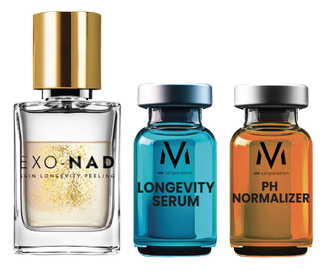
EXO - NAD
The next-generation cosmetic
A new exfoliating system inspired by cutting-edge skincare science. FORMULATED TO REJUVENATE, RESTORE, AND ENHANCE SKIN VITALITY THROUGH CUTTING-EDGE EXOSOMAL TECHNOLOGY, EPITALON, GHK-CU, NAD+, AND OTHER BIOMIMETIC PEPTIDES. THE SCIENCE BEHIND SKIN LONGEVITY BIOHACKING TECHNOLOGY Combines exfoliating and nourishing ingredients designed to help support the skin’s natural renewal process and promote a healthier-looking appearance.
Active ingredients
The steps of EXO-NAD
STEP 1
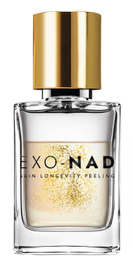
Intelligent Exfoliation: Biphasic peeling powered by Epitalon & Glycolic Complex.
STEP 2
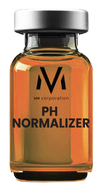
Skin Barrier Recovery: Gold-infused pH Normalizer for instant soothing and balance.
STEP 3
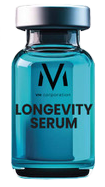
Deep Renewal: Longevity Serum for overall skin rejuvenation.
Key Benefits
● Helps visibly improve skin tone and texture
● Supports a refreshed, radiant complexion
● Visibly reduces the appearance of fine lines and wrinkles
● Promotes a smoother, more refined skin surface
● Enhances skin suppleness and luminosity
● Contributes to an overall healthier-looking appearance
NAD+
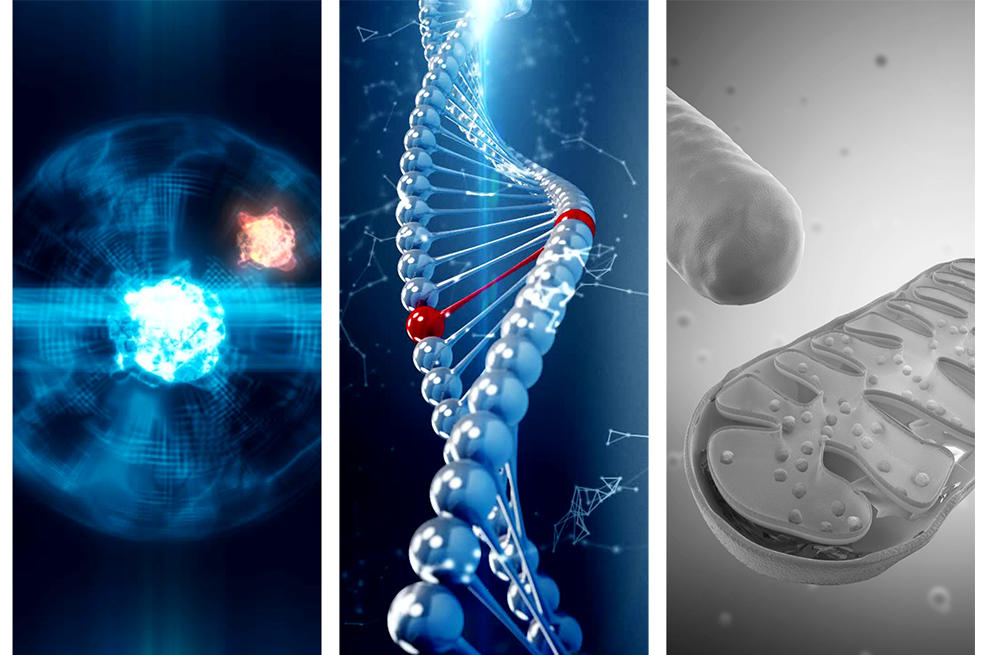
NAD (Nicotinamide Adenine Dinucleotide) is a crucial coenzyme found in all living cells. It plays a key role in cellular metabolism, energy production, and DNA repair. NAD exists in two main forms: NAD⁺ (oxidized form) and NADH (reduced form).
Energy Production: Essential for ATP synthesis in mitochondria.
DNA Repair: Supports sirtuins and PARPs, enzymes involved in cellular repair and longevity.
Anti-Aging & Skin Health: Boosts cellular regeneration, reduces oxidative stress, and enhances skin elasticity.
Inflammation Control: Helps regulate immune responses and minimize cellular damage.
Thanks to its anti-aging and rejuvenating effects
NAD⁺ is widely used in biohacking, longevity science, and skincare formulations. Many serums, supplements, and IV therapies now include NAD boosters like NR (Nicotinamide Riboside) or NMN (Nicotinamide Mononucleotide) to enhance cellular repair and slow down aging.
NAD⁺ is a crucial molecule for cellular metabolism, playing a key role in energy production, DNA repair, and cellular longevity.
Energy Production and Metabolism (Role in Metabolic Cycles)
NAD⁺ is an essential cofactor in redox reactions within the electron transport chain in mitochondria.
It participates in major metabolic cycles:
● Glycolysis (in the cytoplasm)
● Krebs cycle (Citric Acid Cycle)
● Oxidative phosphorylation
NAD⁺ is reduced to NADH, which transfers electrons to mitochondria to generate ATP, the main source of cellular energy.
Sirtuin Activation (Regulation of Longevity)
NAD⁺ directly activates sirtuins (SIRT1-SIRT7), a family of enzymes involved in cellular aging regulation.
Sirtuins enhance mitochondrial function, reduce inflammation, and promote DNA repair.
Their role is crucial in maintaining cell longevity and protecting against oxidative stress.
Inflammation Regulation
NAD⁺ plays a role in controlling chronic inflammation, a key factor in aging and degenerative diseases.
It inhibits pro-inflammatory proteins like NF-κB, reducing systemic inflammation.
This helps prevent neurodegenerative, cardiovascular, and metabolic diseases.
Cellular Detoxification and Autophagy
NAD⁺ is involved in autophagy, the process by which cells eliminate damaged components andtoxins.
It supports liver detoxification, aiding in the breakdown of harmful metabolites and free radicals.
EPITALON TETRAPEPTIDE
Epitalon (or Epithalon) is a synthetic tetrapeptide (Ala-Glu- Asp-Gly) known for its ability to activate telomerase, promoting DNA repair and potentially slowing down cellular aging.
Epitalon is a synthetic peptide that is an analog of a naturally occurring tetrapeptide called epithalamin. It is the subject of research due to its potential effects on ageing processes.
It is analyzed to support cell health by regulating the production of telomerase - the enzyme responsible for the telomere protection, which play a key role in DNA stability. Research on epithalon includes its potential antioxidant activity and effects on immune and endocrine health.
Telomeres
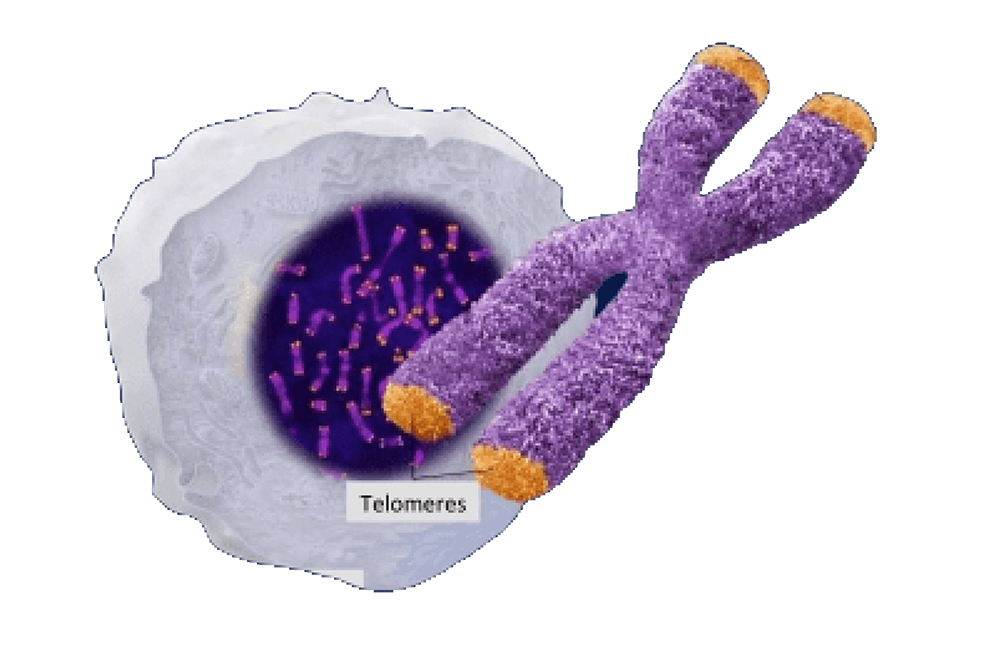
Telomeres are repeating sequences of nucleotide sequences (TTAGGG) that tag the ends of all chromosomes.They are designed to prevent unpredictable changes in the DNA strand, keeping the genome stable.
As the organism grows, this enzyme becomes less active over time. This leads to a slow decrease in telomere length, until a point is reached at which the cell is no longer capable of replication. A cell can no longer divide when telomeres are too short—once they reach a critical point, the cell becomes inactive slowly accumulating damage that it can’t repair, or it dies.
Telomeres are an essential part of human cells that affect how our cells age. Telomere length has emerged as an important determinant of replicative senescence and cell fate - an important indicator of the aging process and a wide range of disease states, including cancers, cardiovascular disease, and age-related disorders.
Epitalon offers several benefits that can help combat the symptoms of aging. It also helps with mood, and acts as an antioxidant.
Numerous studies have shown the importance of telomerase production and telomere rejuvenation in fighting the symptoms of aging.
The research data have proved that Epitalon has a regenerating and life-prolonging effect, as well as a positive effect on the hormonal levels, immune responses and thyroid gland.
Epitalon has been shown to increase the production of telomerase which in turn strengthens and lengthens telomeres, this means that Epitalon can play a vital role in decreasing the aging process and thus extending human longevity.
GHK-CU
GHK-Cu (Copper Tripeptide-1): Bioactive Peptide in Skin Regeneration and Longevity
CUGHK-Cu is a naturally occurring tripeptide (glycyl-L-histidyl-L-lysine) complexed with copper ions (Cu²⁺).
It was first identified in human plasma and has since been extensively studied for its tissue remodeling, wound healing, and anti-aging properties.
GHK-Cu influences gene expression related to tissue repair and inflammation, upregulating genes involved in extracellular matrix remodeling, fibroblast proliferation, andantioxidant defense.
Studies have shown that GHK-Cu activates over 4,000 genes associated with cellular repair and regeneration.
● Collagen and Glycosaminoglycan Synthesis
GHK-Cu stimulates fibroblast activity, leading to increased collagen types I and III production, elastin synthesis, and enhanced proteoglycan deposition.
● Promotes hyaluronic acid synthesis
● Metalloproteinase Regulation
Molecular Mechanism of Action
Anti-Inflammatory & Antioxidant Properties:
● Modulates the activity of nuclear factor-kappa B (NF-κ
B), reducing the expression of pro-inflammatory cytokines (IL-6, TNF-α).
● Enhances the activity of superoxide dismutase (SOD) and other antioxidant enzymes, mitigating oxidative stress at the cellular level.
Angiogenesis & Wound Healing:
● Promotes vascular endothelial growth factor (VEGF) expression, increasing angiogenesis and oxygenation of dermal tissues.
Enhances keratinocyte proliferation and migration, expediting wound closure and epithelial regeneration.
Stem Cell Activation & Cellular Longevity
Induces stem cell mobilization and differentiation in dermal and epidermal layers.
Contributes to DNA repair mechanisms, helping to mitigate cellular senescence and improve mitochondrial function.